More Stories
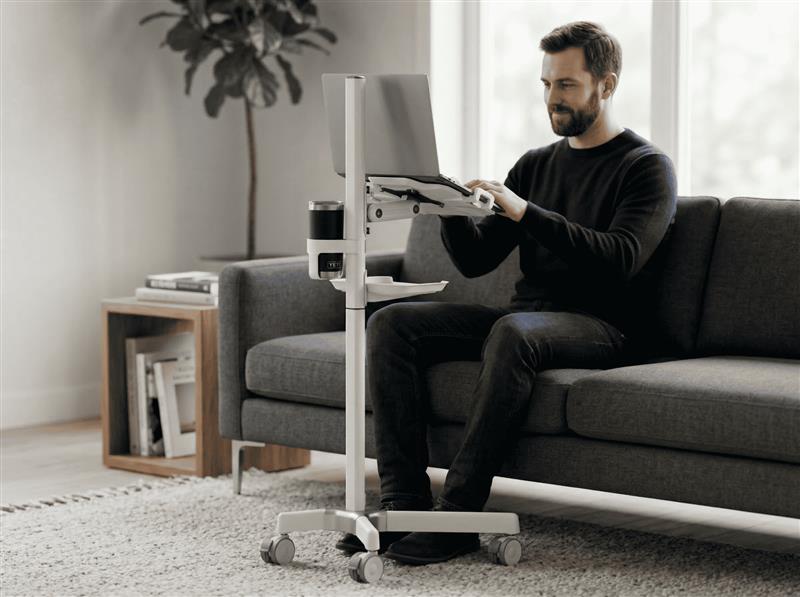
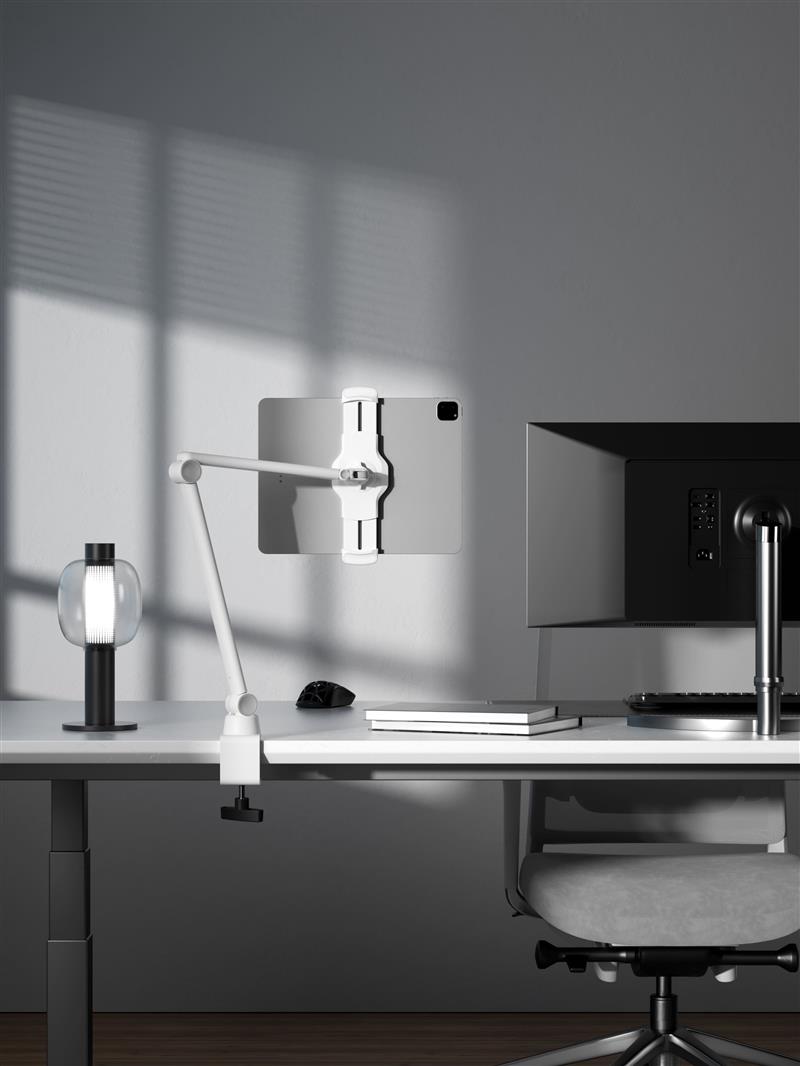
Hybrid work remains one of the clearest application areas. Many users now work with a laptop, phone, and tablet at the same time. A stand allows the tablet to become a second screen, video meeting device, document viewer, or drawing tool. For this use case, buyers often look for stable metal structures, adjustable angles, compact folding, and a clean desktop appearance.
Education is another important driver. Tablets are widely used in schools, training centers, and home learning. Students use them for video classes, reading, writing, and interactive apps. In this market, a good stand can reduce hand fatigue and improve viewing comfort. Durability, safety, rounded edges, lightweight design, and cost control are especially important for bulk buyers.
Retail and commercial service environments are also creating new opportunities. Tablets are now common in restaurants, cafes, hotels, salons, exhibitions, and stores for POS payment, ordering, check-in, and customer information collection. These applications often need stronger solutions than ordinary desktop stands: anti-theft structures, weighted bases, rotation, screw mounting, cable management, and long-term stability.
Ergonomic awareness is another quiet but steady influence. OSHA’s computer workstation guidance recommends placing screens at comfortable viewing height and distance to reduce awkward posture. While the guidance is mainly written for monitors, the same principle applies when users spend long periods looking down at tablets. This supports demand for stands with better height, angle, and stability.